Pepper (Sweet) - Marconi, Red seeds
From $299 USDUnit price /UnavailableDescription
Are you looking to add a new pepper plant to your garden? Consider the Marconi pepper plant, a popular choice among gardeners for its mild flavor and versatility in the kitchen. Let's explore the ins and outs of growing this plant in your own backyard.
What are Marconi peppers?
Marconi peppers, also known as Italian frying peppers, are elongated, sweet peppers that are typically harvested when they are green or red. These peppers are prized for their thin walls, making them perfect for sautΓ©ing, grilling, or roasting. With a mild, slightly sweet flavor, Marconi peppers are a favorite in Mediterranean cuisine.
How to grow Marconi pepper plants
When planting Marconi pepper seeds, it's important to choose a sunny spot in your garden with well-draining soil. These plants thrive in warm weather, so make sure to plant them after the last frost date in your area. Space the plants about 18 inches apart to allow for proper growth.
Water the plants regularly, ensuring that the soil remains consistently moist but not waterlogged. Fertilize the plants every few weeks with a balanced fertilizer to promote healthy growth. As the peppers begin to develop, provide support for the plants to prevent them from bending or breaking under the weight of the fruit.
Harvesting and using Marconi peppers
Marconi peppers can be harvested when they reach their full size, typically around 6-8 inches in length. You can pick the peppers when they are green for a milder flavor or wait until they turn red for a sweeter taste. Simply cut the peppers from the plant using a pair of scissors or pruning shears.
These versatile peppers can be used in a variety of dishes, from stir-fries and salads to sandwiches and pasta dishes. Roast them for a smoky flavor, or pickle them to enjoy their crisp texture year-round. The possibilities are endless with Marconi peppers in your kitchen!
Are you ready to add the Marconi pepper plant to your garden? With the right care and attention, you can enjoy a bountiful harvest of these delicious peppers throughout the growing season. Happy gardening!
SEED PLANTING TIPS
- Botanical name: Capsicum annuum
- Plant support: Tomato cage or stake
- Depth to plant seeds: .25" deep
- Spacing between plants: 18"-24" apart
- Spacing between rows: 24"-36" apart
- Days to germinate (sprout): 7-21 days
- Germination soil temps: 75F-85F
- Soil needs: 6.0-7.0 pH
- Sun needs: Full sun
- Frost hardy: No
- Planting season: Spring, summer
- # of plants per sq. ft.: Appx. 1 plant per 2 sq. ft.
- Days to maturity: 65-80 days
Good companion plants:Β Basil, Carrot, Cucumber, Eggplant, Okra, Rosemary, Sage, Squash, Tomato
All PeppersΒ β Sweet Peppers Β πΒ Sweet Peppers Grow Guide Pepper (Sweet) - Orange Horizon seeds
From $299 USDUnit price /UnavailableDescription

The color orange is located between yellow and red in the spectrum of light, and thatβs where you will find the Orange Horizon Pepper. The 4" blocky fruit begins to glow as it ripens and brightens from green to yellow to orange to more orange. Crispy, crunchy, sweet, and juicy with no heat. Locate this one in your garden between the Summer Crookneck Squash and the Beefsteak Tomatoes.
- High yields
- Sweet andΒ juicy
- Harvest any color
- Good fresh and cooked
SEED PLANTING TIPS
- Botanical name: Capsicum annuum
- Pepper size: Large
- Plant support: Tomato cage or stake
- Depth to plant seeds: .25" deep
- Spacing between plants: 18"-24" apart
- Spacing between rows: 24"-36" apart
- Days to germinate (sprout): 7-21 days
- Germination soil temps: 75F-85F
- Soil needs: 6.0-7.0 pH
- Sun needs: Full sun
- Frost hardy: No
- Planting season: Spring, summer
- # of plants per sq. ft.: Appx. 1 plant per 2 sq. ft.
- Days to maturity: 75-80 days
Good companion plants:Β Basil, Carrot, Cucumber, Eggplant, Okra, Rosemary, Sage, Squash, Tomato
- Large yields of orange sweet peppers that have mild flavor. Thick walls. Easy to grow. Grows well in a 5 gallon container. Perfect for culinary dishes.
- One large bell pepper contains 209 mg of vitamin C, which is almost three times the 70 mg of an average orange.
All PeppersΒ β Sweet Peppers Β πΒ Sweet Peppers Grow Guide Pepper (Sweet) - Orange King seeds
From $299 USDUnit price /UnavailableDescription

The Orange King Pepper has a sweet, mild nature, and rules with a lobed hand. Feast your eyes on the pageantry of fruit after fruit ripening from the regal green of a Caesar salad to the majestic orange of a Monarch butterfly. This 4"-6" thick-skinned, blocky baron is resplendent and refreshing in any salad bowl, pickle jar, or roasting pan.
- High yields
- Sweet and mild
- Crunchy and juicy
- Good fresh and cooked
SEED PLANTING TIPS
- Botanical name: Capsicum annuum
- Pepper size: Large/4"-6"
- Plant support: Tomato cage or stake
- Depth to plant seeds: .25" deep
- Spacing between plants: 18"-24" apart
- Spacing between rows: 24"-36" apart
- Days to germinate (sprout): 7-21 days
- Germination soil temps: 75F-85F
- Soil needs: 6.0-7.0 pH
- Sun needs: Full sun
- Frost hardy: No
- Planting season: Spring, summer
- # of plants per sq. ft.: Appx. 1 plant per 2 sq. ft.
- Days to maturity: 85-90 days
Good companion plants:Β Basil, Carrot, Cucumber, Eggplant, Okra, Rosemary, Sage, Squash, Tomato
- Plant produces good yields of orange colored sweet bell peppers. Peppers have thick walls turn from green to orange when mature. Suitable for home garden and market growers.
All PeppersΒ β Sweet Peppers Β πΒ Sweet Peppers Grow Guide Pepper (Sweet) - Pimento seeds
From $299 USDUnit price /UnavailableDescription

The Pimento Pepper is an outstanding pepper that has more uses than just replacing the pit in an olive or providing the colorful bits in that Southern cheese dip. Did you know that it grows to 3"-4" and is heart-shaped? Or that when itβs not drenched in brine, itβs juicy, sweet, and mild with just a hint of heat? Or that dried sweet paprika spice is made from it? For best flavor, wait for the fruit to ripen from green to deep red, then use it in your favorite recipes to make them stand out.
- High yields
- Sweet and mild
- Slightly spicy
- Good for containers
SEED PLANTING TIPS
- Botanical name: Capsicum annuum
- Pepper size: Medium/ 4 Β½" long
- Plant support: Tomato cage or stake
- Depth to plant seeds: .25" deep
- Spacing between plants: 18"-24" apart
- Spacing between rows: 24"-36" apart
- Days to germinate (sprout): 7-21 days
- Germination soil temps: 75F-85F
- Soil needs: 6.0-7.0 pH
- Sun needs: Full sun
- Frost hardy: No
- Planting season: Spring, summer
- # of plants per sq. ft.: Appx. 1 plant per 2 sq. ft.
- Days to maturity: 85-90 days
Good companion plants:Β Basil, Carrot, Cucumber, Eggplant, Okra, Rosemary, Sage, Squash, Tomato
All PeppersΒ β Sweet Peppers Β πΒ Sweet Peppers Grow Guide Pepper (Sweet) - Purple Beauty seeds
From $299 USDUnit price /UnavailableDescription

When Peter Piper picked a peck of pickled peppers, were they Purple Beauty Peppers? If βa peckβ means βa bunch,β itβs possible. This compact plant produces pecks of 3" blocky beauties, with crispy texture and subtle, mild flavor. Fruit ripens from light green to deep plum while immature, to dark red with thick skin when fully ripe. Eat fresh, pickle a peck of them, or sautΓ© with purple beans and watch the colors change as they get piping hot.
- Very high yields
- Mild, subtle flavor
- Harvest any color
- Good for containers
SEED PLANTING TIPS
- Botanical name: Capsicum annuum
- Pepper size: Medium/3" long by 3" wideΒ
- Plant support: Tomato cage or stake
- Depth to plant seeds: .25" deep
- Spacing between plants: 12"-18" apart
- Spacing between rows: 18"-24" apart
- Days to germinate (sprout): 7-21 days
- Germination soil temps: 75F-85F
- Soil needs: 6.0-7.0 pH
- Sun needs: Full sun
- Frost hardy: No
- Planting season: Spring, summer
- # of plants per sq. ft.: Appx. 1 plant per sq. ft.
- Days to maturity: 70-75 days
Good companion plants:Β Basil, Carrot, Cucumber, Eggplant, Okra, Rosemary, Sage, Squash, Tomato
All PeppersΒ β Sweet Peppers Β πΒ Sweet Peppers Grow Guide Pepper (Sweet) - Sunbright Yellow seeds
From $299 USDUnit price /UnavailableDescription

While most bell peppers are only half-way to maturity when they turn yellow, the Sunbright Yellow Pepper is ready for harvest. This happy, blocky bell ripens from light green to bright yellow to golden yellow, with a thick, crispy texture and a sweet, light flavor. A beautiful sight with so many sunny fruits among lush green leaves. At 5"-7", itβs quite large, which means wider rings for your sandwiches, longer strips for your dips, and a generous core that holds more stuffing.
- High yields
- Light and crunchy
- Sweet, light flavor
- Good fresh and cooked
SEED PLANTING TIPS
- Botanical name: Capsicum annuum
- Pepper size: Large/ 5"-7"
- Plant support: Tomato cage or stake
- Depth to plant seeds: .25" deep
- Spacing between plants: 18"-24" apart
- Spacing between rows: 24"-36" apart
- Days to germinate (sprout): 7-21 days
- Germination soil temps: 75F-85F
- Soil needs: 6.0-7.0 pH
- Sun needs: Full sun
- Frost hardy: No
- Planting season: Spring, summer
- # of plants per sq. ft.: Appx. 1 plant per 2 sq. ft.
- Days to maturity: 75-80 days
Good companion plants:Β Basil, Carrot, Cucumber, Eggplant, Okra, Rosemary, Sage, Squash, Tomato
All PeppersΒ β Sweet Peppers Β πΒ Sweet Peppers Grow Guide Pepper (Sweet) - White Cloud seeds
From $299 USDUnit price /UnavailableDescription
What happens when you remove the color from a pepper? The White Cloud Pepper is what happens. A lovely ivory hue, inside and out, glossy and pearly and sometimes tinged with purple. Like the clouds in the sky, they vary in shape and size from small to medium. Its bell pepper nature canβt quite be tamed, however, so the fruit turns green and then bright orange or red when it matures. The flavor endures as well. Sweet and mild with no heat and a definite crunch. Now, what happens when a gardener grows that white sweet pepper?- High yields
- Crunchy and sweet
- Harvest any color
- Good fresh and cooked
- Grows well in containers and tight spaces
SEED PLANTING TIPS
- Botanical name: Capsicum annuum
- Pepper size: Small-to-Medium/2"-5"
- Plant support: Tomato cage or stake
- Depth to plant seeds: .25" deep
- Spacing between plants: 18"-24" apart
- Spacing between rows: 24"-36" apart
- Days to germinate (sprout): 7-21 days
- Germination soil temps: 75F-85F
- Soil needs: 6.0-7.0 pH
- Sun needs: Full sun
- Frost hardy: No
- Planting season: Spring, summer
- # of plants per sq. ft.: Appx. 1 plant per 2 sq. ft.
- Days to maturity: 70-75 days
Good companion plants:Β Basil, Carrot, Cucumber, Eggplant, Okra, Rosemary, Sage, Squash, Tomato
All PeppersΒ β Sweet Peppers Β πΒ Sweet Peppers Grow Guide Phacelia, California Bluebell/Desert Bluebell Flower seeds
From $299 USDUnit price /UnavailableDescription
Phacelia Campanularia, commonly known as the California Bluebell or Desert Bluebell, is a flowering plant that belongs to the Boraginaceae family. This annual herb is native to the southwestern United States and is particularly well-suited for arid and semi-arid regions. Its striking blue flowers, which bloom in spring, make it an attractive choice for gardeners seeking to enhance the aesthetic appeal of their landscapes.
One of the notable characteristics of Phacelia Campanularia is its ability to thrive in poor soil conditions. This plant is often used in xeriscaping, a landscaping method that reduces or eliminates the need for irrigation. Studies indicate that plants like Phacelia Campanularia can reduce water usage by up to 50% compared to traditional landscaping methods. This makes it an ideal choice for environmentally conscious gardeners looking to conserve water resources.
In addition to its drought-resistant qualities, Phacelia Campanularia plays a crucial role in supporting local ecosystems. The flowers are a valuable source of nectar for pollinators, including bees and butterflies. Research has shown that planting native flowering species can increase pollinator populations by as much as 30%. By incorporating Phacelia Campanularia into your garden, you contribute to the health of these essential species and promote biodiversity.
Phacelia Campanularia is also known for its soil improvement properties. As a member of the legume family, it has the ability to fix nitrogen in the soil, enhancing soil fertility. This characteristic can lead to improved growth for neighboring plants, making it a beneficial companion plant in mixed gardens. Studies have demonstrated that intercropping with nitrogen-fixing plants can increase overall crop yields by approximately 20%.
When cultivating Phacelia Campanularia, it is essential to consider its growing conditions. This plant prefers full sun and well-drained soil. It is typically sown directly into the garden in the spring after the last frost. The seeds germinate quickly, often within 7 to 14 days, and the plants reach maturity in about 60 days. Regular deadheading can encourage prolonged blooming and prevent self-seeding, which may be desirable for gardeners looking to maintain control over their garden's layout.
In conclusion, Phacelia Campanularia is not only an aesthetically pleasing addition to any garden but also offers numerous ecological benefits. Its drought tolerance, support for pollinators, and soil-enhancing properties make it a valuable choice for sustainable gardening practices. By incorporating this native flower into your landscape, you can contribute to a healthier environment while enjoying its beauty.
Pepper (Sweet) - Yolo Wonder seeds
From $299 USDUnit price /UnavailableDescription

The Yolo Wonder Pepper (Capsicum annuum) is related to the California "Cal" Wonder Bell Pepper, but left the Golden State for the hot, dry climate of New Mexico. Like everyone in the family, Yolo is blocky with thick skin, a little bigger and fleshier than Cal at 4"-5", and just as sweet and mild.Β This beautiful plant produces loads of glossy fruits. Try growing them this year, because you only live once. YOLO!- Heat resistant
- Very high yields
- Juicy and sweet
- Harvest any color
- Recommended by USU
SEED PLANTING TIPS
- Botanical name: Capsicum annuum
- Pepper size: Large/4"-5"
- Plant support: Tomato cage or stake
- Depth to plant seeds: .25" deep
- Spacing between plants: 18"-24" apart
- Spacing between rows: 24"-36" apart
- Days to germinate (sprout): 7-21 days
- Germination soil temps: 75F-85F
- Soil needs: 6.0-7.0 pH
- Sun needs: Full sun
- Frost hardy: No
- Planting season: Spring, summer
- # of plants per sq. ft.: Appx. 1 plant per 2 sq. ft.
- Days to maturity: 70-80 days
Good companion plants:Β Basil, Carrot, Cucumber, Eggplant, Okra, Rosemary, Sage, Squash, Tomato
All PeppersΒ β Sweet Peppers Β πΒ Sweet Peppers Grow Guide - From $299 USDUnit price /Unavailable
Description
The Lacy Phacelia (Phacelia tanacetifolia), also known as Scorpionweed and Purple Tansy, is a fast-growing, drought-tolerant, cold-hardy annual in the borage family. Produces coiled, whiskered lavender-colored blossoms that look similar to a scorpion tail, fiddlehead, or thistle. Grows 2'-3' tall on thin, hairy stems with lacy foliage. Plant a few or a field, or add a bit of wildness to a cut arrangement. An especially great companion plant in the vegetable garden as itβs quick to bloom, attracts bees and hoverflies, and stores nitrogen which also makes it a good cover crop.
- Life cycle: Annual
- Bloom season: Summer
- Attracts: Hummingbirds, bees, butterflies, beneficial insects, and other pollinators
- Flower meaning: Determination, endurance, resistance, strength
SEED PLANTING TIPS
- Botanical name: Phacelia tanacetifolia
- Hardiness zones: 3-10
- Planting season: Spring, fall
- Days to maturity: 42-55 days
- Cold stratify: No
- Depth to plant seeds: 1/4" deep
- Spacing between plants: 3"-10" apart
- Days to germinate (sprout): 7-21 days
- Germination soil temps: 40F-65F
- Soil types: Sandy, loamy, silty, rocky, chalky, moist, well-drained
- Soil pH: 6.0-8.5
- Water needs: Average
- Sun needs: Full sun
- Frost tolerant: Yes
- Drought tolerant: Yes
- Deer resistant: Yes
- From $299 USDUnit price /Unavailable
Description

- The Big Max pumpkin produces an extremely large (60"+ diameter and weighs 100+ lbs.) bright orange pumpkin
- Delicious bright yellow-orange flesh
- Perfectly suitable for carving
- Makes for a great pumpkin pie - How to Grow Super Giant MEGA Pumpkins
- Day to Maturity | 115-120 days
Additional DetailsThe word pumpkin originates from the word pepon, which is Greek for βlarge melon". The French adapted this word to pompon, which the British changed to pumpion and later American colonists changed that to the word we use today, "pumpkin".
Β - The Big Max pumpkin produces an extremely large (60"+ diameter and weighs 100+ lbs.) bright orange pumpkin
- From $299 USDUnit price /Unavailable
Description

- The Cinderella is an old heirloom from France - looks just like the coach in the Cinderella fairy tale
- Plant produces medium-sized 25 lb. red/orange pumpkins
- This pumpkin has delicious flesh
- Days to Maturity | 100-110 days
Additional DetailsThe word pumpkin originates from the word pepon, which is Greek for βlarge melon". The French adapted this word to pompon, which the British changed to pumpion and later American colonists changed that to the word we use today, "pumpkin".
Β - The Cinderella is an old heirloom from France - looks just like the coach in the Cinderella fairy tale
Pumpkin - Jack Be Little seeds
From $299 USDUnit price /UnavailableDescription

- Cucurbita pepo. Plant produces tiny 4" wide orange pumpkins
-
Very attractive and great for Halloween and Thanksgiving decorations
-
Days to Maturity | 100 days
Additional DetailsThe word pumpkin originates from the word pepon, which is Greek for βlarge melon". The French adapted this word to pompon, which the British changed to pumpion and later American colonists changed that to the word we use today, "pumpkin".
ΒPumpkin - Jack O' Lantern seeds
From $299 USDUnit price /UnavailableDescription

- The Jack βO Lantern is a popular pumpkin variety that produces 10 pound fruits that are thick walled, and smooth skinned, round to slightly oblong
- The thick flesh is good for cooking, but really shines as a carving pumpkin. Has nice strong stems
- Days to Maturity | 110 days
Additional DetailsThe word pumpkin originates from the word pepon, which is Greek for βlarge melon". The French adapted this word to pompon, which the British changed to pumpion and later American colonists changed that to the word we use today, "pumpkin".
Β- From $299 USDUnit price /Unavailable
Description
-
The PacificΒ Giant pumpkin has been known to grow easily over 350Β pounds! Β
- It's best to plant 4 to 5 seeds per hill with hills at least 8 feet apart.
-
How to Grow Super Giant MEGA Pumpkins
- Days to Maturity | 120 days
Additional Details
Looking to have the largest homegrown pumpkin of all your neighbors? Try growing the Pacific Giant, Pumpkin! They are easy to establish & produce fruit of enormous size! (think 350+ lbs.) They have a pale orange skin and a deep orange flesh. Make sure you leave plenty of room for this variety to sprawl. Vines can reach lengths up to 25 feet long. Considering the size of this variety, they are fairly quick to reach maturity at around 120 days.Β Β
-
The PacificΒ Giant pumpkin has been known to grow easily over 350Β pounds! Β
- From $299 USDUnit price /Unavailable
Description

- The Yellow Paris is a very large pumpkin
- An old heirloom variety from France
- Days to Maturity | 100 days
Additional DetailsThe word pumpkin originates from the word pepon, which is Greek for βlarge melon". The French adapted this word to pompon, which the British changed to pumpion and later American colonists changed that to the word we use today, "pumpkin".
Β - The Yellow Paris is a very large pumpkin
- From $299 USDUnit price /Unavailable
Description

- The Small Sugar pumpkin is a popular heirloom variety! It has a very smooth texture with a bright orange flesh
- Has excellent flavor for making pumpkin pies
- Pumpkin size is about 7" diameter
- Semi-bush plant
- One of the most popular pumpkin varieties you can grow in your garden
- Days to Maturity | 100-110 days
Additional DetailsThe word pumpkin originates from the word pepon, which is Greek for βlarge melon". The French adapted this word to pompon, which the British changed to pumpion and later American colonists changed that to the word we use today, "pumpkin".
ΒFollow SeedsNow.com's board Sugar Pumpkin on Pinterest. - The Small Sugar pumpkin is a popular heirloom variety! It has a very smooth texture with a bright orange flesh
- From $299 USDUnit price /Unavailable
Description
The Pumpkin Wee Bee Little variety is a compact and productive cultivar that has gained popularity among gardeners for its unique characteristics and suitability for small spaces. This variety is particularly well-suited for urban gardening, container gardening, and small garden plots, making it an excellent choice for both novice and experienced gardeners.
One of the most notable features of the Pumpkin Wee Bee Little is its size. Typically, the fruits reach a diameter of about 3 to 4 inches, making them ideal for decorative purposes, culinary use, or as part of a harvest display. The plants themselves are bushy and compact, usually growing to a height of 12 to 18 inches, which allows for efficient space utilization in the garden.
- Mini pumpkins about the size of a grapefruit
- Weigh about 14 ounces each pumpkin
- Days to Maturity | 90Β days
Additional DetailsThe word pumpkin originates from the word pepon, which is Greek for βlarge melon". The French adapted this word to pompon, which the British changed to pumpion and later American colonists changed that to the word we use today, "pumpkin".
Β - Mini pumpkins about the size of a grapefruit
- From $299 USDUnit price /Unavailable
Description
- Perennial
- Low growing plant produces green leaves
- Used in salads and cooked like spinach
- Purslane isΒ said to be effective in treatmentΒ of insect or snake bites on the skin, boils, sores, pain from bee stings, bacillary dysentery, diarrhea, hemorrhoids, postpartum bleeding, and intestinal bleeding
- Plant grows in poor soil and tolerates drought
β οΈ Always consult with your doctor and primary care provider before using or consuming herbs, flowers, seeds and/or plants for medicinal purposes.
Queen Anne's Lace Flower seeds
From $299 USDUnit price /UnavailableDescription
Ammi majus, commonly known as Bishop's White Flower, Greater Ammi, or Queen Anne's lace is an annual flowering plant belonging to the Apiaceae family. This plant is native to regions of the Mediterranean and has gained popularity in various parts of the world due to its ornamental value and ecological benefits.
In addition to its aesthetic appeal, Ammi majus has historical significance in traditional medicine. While it is not widely used in modern herbal practices, some cultures have utilized the plant for its potential medicinal properties, including anti-inflammatory and diuretic effects. However, it is essential to approach such uses with caution and consult with a qualified healthcare professional before considering any medicinal applications.
In conclusion, the Ammi majus flower plant is a versatile and attractive addition to any garden. Its ornamental qualities, ecological benefits, and ease of cultivation make it a valuable choice for gardeners seeking to enhance their landscapes while promoting biodiversity. As with any plant, understanding its growth requirements and potential uses can lead to successful cultivation and enjoyment of this beautiful species.
Radicchio - Classic Red (Italian Chicory) seeds
From $299 USDUnit price /UnavailableDescription

- Radicchio is sometimes also referred to as the Italian chicory
- They're grown as a leaf vegetable
- White-veined red leaves
- Excellent grilled or roasted
- How to Grow Organic Radicchio from Seed
-
Days to Maturity | 65 days
Β
- Radicchio is sometimes also referred to as the Italian chicory
- From $299 USDUnit price /Unavailable
Description

- Slender tapered root is 4" to 5" long with crisp, mild, white flesh
- Extremely easy to grow
- Grows well in small spaces & containers
- Days to Maturity | 30-40 days
Additional DetailsRadishes are rich in ascorbic acid, folic acid, and potassium. They are a good source of vitamin B6, riboflavin, magnesium, copper, and calcium. One cup of sliced red radish bulbs provides approximately 20 calories, largely from carbohydrates
ΒFollow SeedsNow.com's board Radishes on Pinterest. - Slender tapered root is 4" to 5" long with crisp, mild, white flesh
- From $299 USDUnit price /Unavailable
Description

- These pretty radishes arenβt all show, theyβre also really delicious and versatile! Watermelon radishes can be eaten raw, pickled, or cooked
- Unique and rare heirloom radish variety
- Looks amazing
- Very large white radish with pink/red flesh giving the appearance of watermelon
- Excellent for gourmet culinary dishes
- Produces large tops for easy picking
-
Days to Maturity | 50-60 days
Additional DetailsRadishes are rich in ascorbic acid, folic acid, and potassium. They are a good source of vitamin B6, riboflavin, magnesium, copper, and calcium. One cup of sliced red radish bulbs provides approximately 20 calories, largely from carbohydrates
ΒΒ
Follow SeedsNow.com's board Radishes on Pinterest. - These pretty radishes arenβt all show, theyβre also really delicious and versatile! Watermelon radishes can be eaten raw, pickled, or cooked
- From $299 USDUnit price /Unavailable
Description

- The Sparkler Egg Radish is just as the name suggests ... a mix of round red and white radishes
- Excellent in salads
- Extremely easy to grow
- Grows well in small spaces - Days to Maturity | 25-30 days
Additional DetailsRadishes are rich in ascorbic acid, folic acid, and potassium. They are a good source of vitamin B6, riboflavin, magnesium, copper, and calcium. One cup of sliced red radish bulbs provides approximately 20 calories, largely from carbohydrates
ΒΒ
Follow SeedsNow.com's board Radishes on Pinterest. - The Sparkler Egg Radish is just as the name suggests ... a mix of round red and white radishes
- From $299 USDUnit price /Unavailable
Description

- Produces deep purple radishes with a white flesh
- Looks incredible! Great for culinary dishes
- The white flesh is sweet and mild in flavor
- Great for selling at farmers markets
- Unique and rare heirloom radish
- Grows well in containers and small spaces
-
Days to Maturity | 25-30 days
Additional Details
Radishes are rich in ascorbic acid, folic acid, and potassium. They are a good source of vitamin B6, riboflavin, magnesium, copper, and calcium. One cup of sliced red radish bulbs provides approximately 20 calories, largely from carbohydrates
ΒΒ
Follow SeedsNow.com's board Radishes on Pinterest. - Produces deep purple radishes with a white flesh
Radish - Japanese Minowase/Daikon "Big Root" seeds
From $299 USDUnit price /UnavailableDescription

-
The Japanese Minowase is a GIANT sized white radish
- Mild flavor
- World record size radish
- The roots grow as long as 24" long x 3" across
- Days to Maturity | 45 days
Additional DetailsRadishes are rich in ascorbic acid, folic acid, and potassium. They are a good source of vitamin B6, riboflavin, magnesium, copper, and calcium. One cup of sliced red radish bulbs provides approximately 20 calories, largely from carbohydrates
Follow SeedsNow.com's board Radishes on Pinterest. -
The Japanese Minowase is a GIANT sized white radish
Radish - Hailstone (White) seeds
From $299 USDUnit price /UnavailableDescription

-
Raphanus sativus. Plant produces flavorful white round radishes
- Radishes have a mild taste
- Easy to grow and only less than a month to grow
- Crisp and tender
- Excellent for salads and other culinary creations
-
Days to Maturity | 30 days
Additional DetailsRadishes are rich in ascorbic acid, folic acid, and potassium. They are a good source of vitamin B6, riboflavin, magnesium, copper, and calcium. One cup of sliced red radish bulbs provides approximately 20 calories, largely from carbohydrates
ΒFollow SeedsNow.com's board Radishes on Pinterest. -
Raphanus sativus. Plant produces flavorful white round radishes
- From $299 USDUnit price /Unavailable
Description
-
The Easter Egg Radish is just as the name suggests ... a mix of flavorful multi-colored radishes
- Radishes are red, pink, purple, violet, and white
- Excellent in salads
- Extremely easy to grow
- Grows well in small spaces
-
Days to Maturity | 25-30 days
Additional DetailsRadishes are rich in ascorbic acid, folic acid, and potassium. They are a good source of vitamin B6, riboflavin, magnesium, copper, and calcium. One cup of sliced red radish bulbs provides approximately 20 calories, largely from carbohydrates
ΒΒ
Follow SeedsNow.com's board Radishes on Pinterest. -
The Easter Egg Radish is just as the name suggests ... a mix of flavorful multi-colored radishes
- From $299 USDUnit price /Unavailable
Description

- AAS - All-America Selections Winner - The Champion Radish plant produces large and extremely tasty red cherry radishes
- They measure about the size of a silver dollar and have bright red solid skin
- One of the most popular and easiest radishes you can grow anywhere
- Grows well in small spaces
- Days to Maturity | 25-30 days
Additional DetailsRadishes are rich in ascorbic acid, folic acid, and potassium. They are a good source of vitamin B6, riboflavin, magnesium, copper, and calcium. One cup of sliced red radish bulbs provides approximately 20 calories, largely from carbohydrates
ΒΒ
Follow SeedsNow.com's board Radishes on Pinterest. - From $299 USDUnit price /Unavailable
Description
- Produces white radishes that grow to 1.5" in diameter
- The white flesh is crisp and mild in flavor
- Great for selling at farmers markets
- Grows well in containers and small spaces
-
Days to Maturity | 25-30 days
Additional DetailsRadishes are rich in ascorbic acid, folic acid, and potassium. They are a good source of vitamin B6, riboflavin, magnesium, copper, and calcium. One cup of sliced red radish bulbs provides approximately 20 calories, largely from carbohydrates
ΒΒ
Follow SeedsNow.com's board Radishes on Pinterest. - Produces white radishes that grow to 1.5" in diameter
- From $299 USDUnit price /Unavailable
Description
- Produces beautiful purple radishes with a white flesh
- Looks amazing & Great for culinary dishes
- The flesh is crisp and mild in flavor
- Great for selling at farmers markets
- Unique and rare heirloom radish
- Grows well in containers and small spaces
-
Days to Maturity | 25-30 days
Additional DetailsRadishes are rich in ascorbic acid, folic acid, and potassium. They are a good source of vitamin B6, riboflavin, magnesium, copper, and calcium. One cup of sliced red radish bulbs provides approximately 20 calories, largely from carbohydrates
ΒΒ
Follow SeedsNow.com's board Radishes on Pinterest. - Produces beautiful purple radishes with a white flesh
- From $299 USDUnit price /Unavailable
Description

- Produces beautiful pink radishes with a white flesh
- Looks amazing! Great for culinary dishes
- The white flesh is crisp and mild in flavor
- Great for selling at farmers markets
- Unique and rare heirloom radish
- Grows well in containers and small spaces
-
Days to Maturity | 25-30 days
Additional DetailsRadishes are rich in ascorbic acid, folic acid, and potassium. They are a good source of vitamin B6, riboflavin, magnesium, copper, and calcium. One cup of sliced red radish bulbs provides approximately 20 calories, largely from carbohydrates
ΒΒ
Follow SeedsNow.com's board Radishes on Pinterest. - Produces beautiful pink radishes with a white flesh
Rutabaga - American Purple Top seeds
From $299 USDUnit price /UnavailableDescription

- Recommended by USU. Large 5 to 6 inch roots are purple and yellow colored, nearly round. Flesh is yellow, mild and fine grained.
How to Grow Organic Rutabaga from Seed
- Days to Maturity | 90 days
- Recommended by USU. Large 5 to 6 inch roots are purple and yellow colored, nearly round. Flesh is yellow, mild and fine grained.
- From $299 USDUnit price /Unavailable
Description
The Scarlet Sage (Salvia coccinea), also called Blood Sage, Texas Sage, and Indian Fire, is a fast-growing, tender perennial in the mint family. Produces dense 10" spikes of small, tubular, bright red fragrant blossoms with long stamens. Grows 1'-3' tall on square stems with hairy, heart-shaped foliage. Can be grown as an annual in colder climates. A striking pop of color in any garden or vase.
The leaves of Scarlet Sage are edible, but the flowers are toxic to people and should not be ingested.
- Life cycle: Herbaceous perennial
- Bloom season: Spring, summer, fall
- Attracts: Hummingbirds, birds, bees, butterflies, and other pollinators
- Flower meaning: Good health, longevity, wisdom
SEED PLANTING TIPS
- Botanical name: Salvia coccinea
- Hardiness zones: 8-10
- Planting season: Spring, fall
- Days to maturity: 65-85 days
- Cold stratify: No
- Depth to plant seeds: Lightly cover - seeds need light to germinate
- Spacing between plants: 6"-12" apart
- Days to germinate (sprout): 7-21 days
- Germination soil temps: 65F-75F
- Soil types: Sandy, loamy, dry, moist, well-drained
- Soil pH: 5.5-7.5
- Water needs: Average
- Sun needs: Full sun, part shade
- Frost tolerant: No
- Drought tolerant: Yes
- Deer resistant: Yes
Shungiku, Edible Chrysanthemum seeds
From $299 USDUnit price /UnavailableDescription
Shungiku is a versatile Asian green prized for its delicate, slightly peppery leaves and edible flowers. Also known as Garland Chrysanthemum or Chop Suey Greens, this cool-season crop thrives in winter and spring gardens, reaching maturity in 30β50 days. Harvest tender leaves fresh for salads, stir-fries, and Asian dishes. The flowers can be dried and brewed into a soothing herbal tea with stomach-calming properties, offering a natural alternative to chamomile. Easy to grow and highly productive, Shungiku brings authentic Asian flavor and dual-purpose harvests to any garden.
- Shungiku, Edible Chrysanthemum is a very versatile asian green.
- Known as Shungiku, Edible Chrysanthemum, Garland Chrysanthemum, Chop Suey Greens and many other names.
- This is a salad green that can be grown in winter and again in spring.
- The flowers of Shungiku can be dried and stored to be used for tea. Often considered a substitute for Chamomile - with its soothing and stomach quieting properties.
- Days to Maturity | 30 - 50 days
- Shungiku, Edible Chrysanthemum is a very versatile asian green.
Snapdragon, GIANT Maximum Mix Flower seeds
From $299 USDUnit price /UnavailableDescription
- From $299 USDUnit price /Unavailable
Description

Soapwort (Saponaria officinalis) is a beautiful, robust perennial in the carnation family with dark green lance-shaped leaves and light pink star-shaped flowers that have a pleasant floral clove scent. Can grow 1'-2' tall and 12"-18" wide, and prefers cooler weather. The entire plant contains saponins, with the highest concentration in the roots, which make a gentle foamy lather when mixed with warm water, and is used as detergent or soap to clean skin, hair, and delicate fabrics. Also called Bouncing Bet, a historical expression for a laundry woman. Reseeding and runner roots enable it to spread easily and it can become invasive.As a medicinal plant, Soapwort has been used internally to treat bronchitis, colds, cough, diarrhea, kidney stones, and respiratory problems, and externally to treat acne, boils, burns, eczema, inflammation, itchy skin, muscle pain, poison ivy, psoriasis, rash, and wounds.
β οΈ Toxic to people, pets, and livestock if ingested in large quantities. Toxic to fish, so do not grow near waterways. Do not ingest while pregnant or nursing.
β οΈ Medicinal properties are presented as information only, and are not a recommendation or prescription for use. Consult a medical professional before using any plant medicinally.
- Life cycle: Herbaceous perennial
- Bloom season: Summer
- Attracts: Hummingbirds, bees, butterflies, and other pollinators
- Flower meaning: Innocence, pure love
SEED PLANTING TIPS
- Botanical name: Saponaria officinalis
- Hardiness zones: 3-9
- Planting season: Spring, fall
- Days to maturity: 85 days-2 years
- Cold stratify: Yes
- Depth to plant seeds: Lightly cover - seeds need light to germinate
- Days to germinate (sprout): 7-28 days
- Germination soil temps: 60F-70F
- Spacing between plants: 12"-18" apart
- Soil types: Clay, sandy, loamy, silty, rocky, chalky, poor, average, moist, well-drained
- Soil pH: 6.6-7.8
- Water needs: Average
- Sun needs: Full sun, part shade
- Frost tolerant: Yes
- Drought tolerant: Yes
- Deer resistant: Yes
- From $299 USDUnit price /Unavailable
Description
Broadleaf Sorrel thrives in garden beds and containers, bringing a vibrant, lemony tang to your kitchen. This hardy perennial produces large leavesβup to 8 inches longβperfect for fresh salads, cooked greens, or aromatic soups. The bright, tangy flavor pairs beautifully with fish and adds distinctive zest to any dish. Once established, it returns year after year with minimal care, making it an excellent choice for both experienced gardeners and beginners.Β
- Slightly tangy lemon flavor.
- The leaves grow up to 8" long!
- Can also be cooked like spinach or even used in soups.
- Ready to harvest in 55 days.
Β
55 days to maturity
Broadleaf Sorrel thrives in garden beds and containers, bringing a vibrant, lemony tang to your kitchen. This hardy perennial produces large leavesβup to 8 inches longβperfect for fresh salads, cooked greens, or aromatic soups. The bright, tangy flavor pairs beautifully with fish and adds distinctive zest to any dish. Once established, it returns year after year with minimal care, making it an excellent choice for both experienced gardeners and beginners. Ready to harvest in 55 days.
- From $299 USDUnit price /Unavailable
Description
The Sorrel Large Leaf herb, scientifically known as Rumex acetosa, is a perennial plant that is valued for its distinctive tart flavor and culinary versatility. This herb is characterized by its large, arrow-shaped leaves that can grow up to 12 inches long, making it a prominent addition to any garden. Sorrel is particularly rich in vitamins A and C, and it contains oxalic acid, which contributes to its tangy taste.
In terms of cultivation, Sorrel thrives in well-drained, fertile soil with a pH level ranging from 6.0 to 7.0. It prefers full sun to partial shade, and while it is relatively hardy, it benefits from consistent moisture. The plant can tolerate a range of temperatures, but optimal growth occurs in cooler climates, typically between 60Β°F and 75Β°F (15Β°C to 24Β°C). Sorrel can be sown directly into the garden in early spring or late summer, and it is known to self-seed, allowing it to return year after year.
Harvesting Sorrel is straightforward; the leaves can be picked as needed, starting from the outer leaves and allowing the inner leaves to continue growing. It is advisable to harvest before the plant flowers, as the leaves can become tougher and more bitter after flowering. The leaves can be used fresh in salads, soups, and sauces, or they can be cooked similarly to spinach. Nutritionally, Sorrel is low in calories, with approximately 22 calories per 100 grams, making it an excellent addition to a healthy diet.
In addition to its culinary uses, Sorrel has been utilized in traditional medicine for its potential health benefits. It is believed to have anti-inflammatory properties and may aid in digestion. However, due to its oxalic acid content, it is recommended that individuals with certain health conditions, such as kidney stones, consult a healthcare professional before consuming large quantities of Sorrel.
In summary, the Sorrel Large Leaf herb plant is a valuable asset to any garden, offering both culinary and potential health benefits. Its ease of cultivation and unique flavor profile make it a popular choice among gardeners and chefs alike. By incorporating Sorrel into your gardening practices, you can enjoy a sustainable source of fresh herbs that enhance your culinary creations.
- From $299 USDUnit price /Unavailable
Description
Green leaf with red veinsΒ have a slightly tangy lemon flavor which adds zest to salads and is especially good with fish. The leaves grow up to 8" long and can also be cooked like spinach or even used in soups. Sure to be your new favorite.
55 days to maturity
- From $299 USDUnit price /Unavailable
Description

- America Spinach will produce a beautiful dark green plant in only 40 days
- Excellent flavor
- Extremely easy to grow
- Grows best during the cooler months
- Grows really well in containers and other small spaces
-
How to Grow | Spinach is very hardy and can tolerate cold β in fact, it thrives in cold weather.Β Spinach grows really well during winter months in the South.Β Spinach also grows well in early spring and late summer in the North. These seeds should be planted about four weeks before your area's average date of last frost.
- Days to Maturity | 40 days
- America Spinach will produce a beautiful dark green plant in only 40 days
Spinach - Matador Viking seeds
From $299 USDUnit price /UnavailableDescription

- Matador Viking Spinach will produce beautiful large and smooth dark green spinach leaves in only 45 days
- Excellent flavor
- Full of nutrients
- Extremely easy to grow
- Grows best during the cooler months
- Grows really well in containers and other small spaces
-
How to Grow | Spinach is very hardy and can tolerate cold β in fact, it thrives in cold weather.Β Spinach grows really well during winter months in the South.Β Spinach also grows well in early spring and late summer in the North. These seeds should be planted about four weeks before your area's average date of last frost.
-
Days to Maturity | 45 days
- Matador Viking Spinach will produce beautiful large and smooth dark green spinach leaves in only 45 days
- From $299 USDUnit price /Unavailable
Description

- The Noble Giant spinach is heavy, glossy, dark green plant with leaves that are heavily savoyed and crumpled
- Extremely delicious and one of the most popular spinach varieties you can grow in your garden
- Very easy to grow
-
How to Grow | Spinach is very hardy and can tolerate cold β in fact, it thrives in cold weather.Β Spinach grows really well during winter months in the South.Β Spinach also grows well in early spring and late summer in the North. These seeds should be planted about four weeks before your area's average date of last frost.
- Days to Maturity | 45 days
- The Noble Giant spinach is heavy, glossy, dark green plant with leaves that are heavily savoyed and crumpled
- From $299 USDUnit price /Unavailable
Description

- These Winter Giant spinach seeds will produce very flavorful large green spinach leaves
- Known for growing to a height of appx. 2 feet
- Days to Maturity | 45 days
Squash (Summer) - Black Beauty Zucchini seeds
From $299 USDUnit price /UnavailableDescription

-
An All America Selections (AAS) Winner. The Black Beauty Squash is one of the most popular varieties on the market
- Grows as a compact bushΒ (not as a vine)
- Produces a dark green, glossy fruit, which is long, straight & slender
- Firm, very tender, with excellent flavor
- Easy to grow
- Days to Maturity | 110 days
Additional Details
Though considered a vegetable in cooking, botanically speaking, squash is a fruit (being the receptacle for the plant's seeds). Squash can be served fresh (in salads) and cooked (squash stuffed with meat, fried squash, baked squash).
ΒFollow SeedsNow.com's board Zucchini Recipes on Pinterest. Β
-
An All America Selections (AAS) Winner. The Black Beauty Squash is one of the most popular varieties on the market
Squash (Summer) - Caserta seeds
From $299 USDUnit price /UnavailableDescription

- A 1949 All-America Selections Winner
- Grows as a bush
- Produces high yields of 16" long grayish-green zucchini squash with dark green stripes
- Perfect for home garden and market growers.
- Days to Maturity | 65 days
Additional Details
Though considered a vegetable in cooking, botanically speaking, squash is a fruit (being the receptacle for the plant's seeds). Squash can be served fresh (in salads) and cooked (squash stuffed with meat, fried squash, baked squash).Β
- A 1949 All-America Selections Winner
Squash (Summer) - Cocozelle seeds
From $299 USDUnit price /UnavailableDescription

Cocozelle is an Italian heirloom bush-type zucchini prized for its dark green skin with light green stripes and exceptional flavor. This compact plant grows as a bushy form rather than a sprawling vine, making it ideal for small gardens and container growing. The tender squash reaches peak quality when harvested at 12 inches or smaller. Regular picking encourages continuous production throughout the season. Versatile in the kitchen, Cocozelle works beautifully sliced, fried, steamed, or stuffed. Matures in approximately 50 days, delivering abundant yields of this gourmet summer squash variety.
- The Cocozelle squash is an Italian heirloom bush type zucchini that produces excellent yields of dark green squash with light green stripes
- Grows as a compact bush size plant (not as a vine)
- Extremely flavorful and tender
- Best when harvested at 12" long or smaller
- Makes a great variety for slicing, frying, and steaming
- Pick the fruits often (when they are young) to have a longer harvest
- The Bush type plant is perfect for small gardens and containers
- Days to Maturity | 50 days
Β
Additional Details
Though considered a vegetable in cooking, botanically speaking, squash is a fruit (being the receptacle for the plant's seeds). Squash can be served fresh (in salads) and cooked (squash stuffed with meat, fried squash, baked squash).
- The Cocozelle squash is an Italian heirloom bush type zucchini that produces excellent yields of dark green squash with light green stripes
Squash (Summer) - Crookneck, Yellow seeds
From $299 USDUnit price /UnavailableDescription

- The Early Summer Crookneck is a popular Heirloom squash variety that grows extremely quickly - only 45 days!
- Grows as a compact bush size plant (not as a vine)
- Produces delicious and beautiful yellow 8" long fruits with a thin curving neck
- Fast-growing summer squash produces large yields
- Perfect for growing in small spaces
- Days to Maturity | 45 days
Additional Details
Though considered a vegetable in cooking, botanically speaking, squash is a fruit (being the receptacle for the plant's seeds). Squash can be served fresh (in salads) and cooked (squash stuffed with meat, fried squash, baked squash).Β
- The Early Summer Crookneck is a popular Heirloom squash variety that grows extremely quickly - only 45 days!
Squash (Summer) - Dark Green seeds
From $299 USDUnit price /UnavailableDescription
- The Dark Green Squash is another one of the most popular squash varieties on the market
- Grows as a compact bushΒ (not as a vine)
- Produces a dark green, glossy fruit, which is long, straight & slender
-
Firm, very tender, with excellent flavor making it perfect sliced, fried, steamed, or baked
- Ideal for home gardens and market growers
-
A summer squash variety
- Very easy to grow.
- Days to Maturity | 80 days
Additional DetailsThough considered a vegetable in cooking, botanically speaking, squash is a fruit (being the receptacle for the plant's seeds). Squash can be served fresh (in salads) and cooked (squash stuffed with meat, fried squash, baked squash).
Β
- The Dark Green Squash is another one of the most popular squash varieties on the market
Squash (Summer) - Lebanese White Bush seeds
From $299 USDUnit price /UnavailableDescription
- The Lebanese Squash is a very popular heirloom squash variety that grows extremely quickly - only 45 days
- Very flavorful and widely grown in the Middle East
-
A summer squash variety from Lebenon
-
Grows as a compact bush size plant (not as a vine)
- Fast-growing summer squash produces large yields
- Perfect for growing in small spaces
-
Days to Maturity | 45 days
The Lebanese, White Squash is a favoriteΒ amongst many home gardeners. Most would recommend planting 2-4 bushes to feed a family throughout the season, while for smaller families or couples, 2 plants would be plenty. It really depends on how much squash you love to eat and whether or not you're growing other varieties at the same time. We do however recommend planting at least two plants for better pollination. The better the pollination, the better the fruit count! It's been reported that some gardeners have experienced up to 15 fruits per plant, however, that is on the high side. Most plants will produce 4-6 fruit, again depending on the pollination and other variables that come into play. There's just not an exact answer for this. You're almost at the mercy of mother nature on this, but most would agree it's a great producer! They're better picked when young and tender unless you're planning on stuffing them, then baking. In that case, they are let to grow larger, again, which will keep the plant from producing more fruit if you don't harvest regularly from them. So the bottom line is, if you want more fruit, harvest more regularly and when the squash is young and tender. This will send signals to the plant to bloom and flower again to keep reproducing. Generally, this plant will get 2-3 feet high, but regular fertilizing would, of course, alter these numbers as well. If your soil is in good condition with lots of healthy organic matter, you should have no problem getting plants that reach this size. May we suggest growing on black plastic for weed & insect control?
Additional Details
Though considered a vegetable in cooking, botanically speaking, squash is a fruit (being the receptacle for the plant's seeds). Squash can be served fresh (in salads) and cooked (squash stuffed with meat, fried squash, baked squash).Β
- The Lebanese Squash is a very popular heirloom squash variety that grows extremely quickly - only 45 days
π± Featured Collections
View allEarnΒ -&-Β redeem BeetCOINSβ’Β π° for seriously special rewards!Β Learn more about rewards
... continue shopping!
π₯ Trending Now
View allπͺ΄ Essential Supplies -&- More
View allGet this month's seeds kit for FREE w/any-size order!
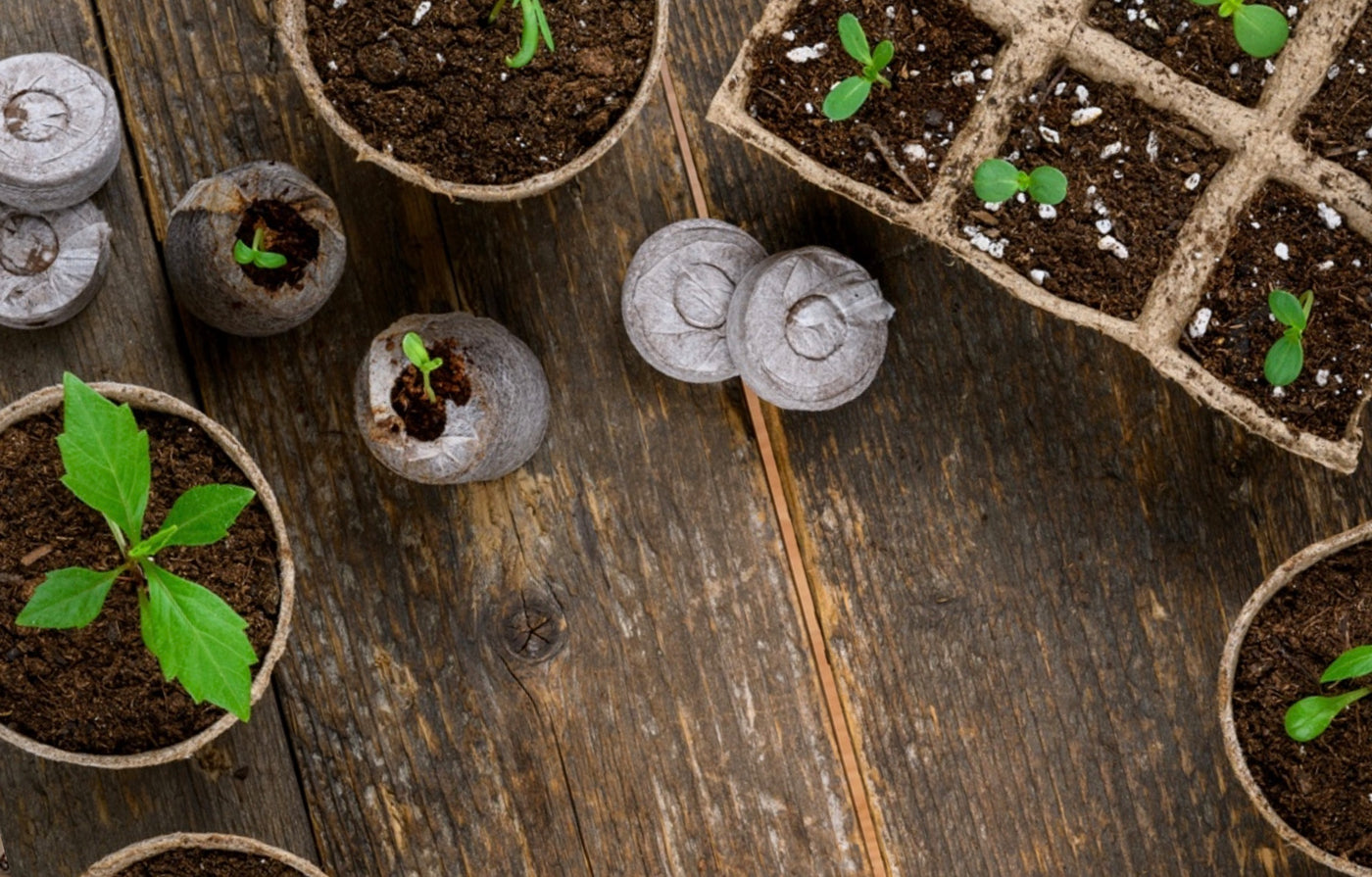
INCLUDES:Β Organic indoor seed starting soil podΒ +Β seeds of the monthΒ + plant label marker + instructions/grow guides
We want everyone to be successful growing their own sustainable organic vegetable garden. We created this Organic Gardening Grow Guides eBook ... and we're giving it away - for FREE! This eBook includes absolutely everything you need to know --- seed-to-harvest!


