Purple Creole is a hard neck type garlic. Best for raw eating, and produces dark purple colored cloves. Great hard neck to grow in Florida and along the Gulf Coast.
Garlic - (Hard Neck) Purple Creole
From $299 USDUnit price /UnavailableDescription
Quick Overview
• produces dark purple colored cloves• hard neck
Details
How to Plant Garlic
Garlic can be planted in the spring as soon as the ground can be worked, but fall planting is recommended. Bulbs will grow bigger and more flavorful when you plant them in the fall. Plant 6 to 8 weeks before your first hard frost. In southern areas, February or March can be a better time to plant.
Key Planting Info:
- Break apart cloves from bulb but keep the papery husk on each individual clove.
- Ensure soil is well-drained with plenty of organic matter. Plant in Full Sun.
- Plant 4 inches apart & 2 inches deep, in their upright position (the wide end down and pointed end facing up).
- Come springtime, shoots will begin to emerge.
Click here for a more detailed Garlic Grow Guide ->Garlic - (Hard Neck) Red Grain
From $299 USDUnit price /UnavailableDescription
Quick Overview
• Organic
• Hard neck
• Spicy flavor but sweet when cooked
Details
Red Grain is a purple stipe hardneck type garlic. It produces 9-12 medium size cloves. White with red streaks throughout. Spicy in flavor, but sweet when cooked.
How to Plant Garlic
Garlic can be planted in the spring as soon as the ground can be worked, but fall planting is recommended. Bulbs will grow bigger and more flavorful when you plant them in the fall.
Key Planting Info:
- Break apart cloves from bulb but keep the papery husk on each individual clove.
- Ensure soil is well-drained with plenty of organic matter. Plant in Full Sun.
- Plant 4 inches apart & 2 inches deep, in their upright position (the wide end down and pointed end facing up).
- Come springtime, shoots will begin to emerge.
Click here for a more detailed Garlic Grow Guide ->Garlic - (Hard Neck) Russian Red
From $299 USDUnit price /UnavailableDescription
Quick Overview
• Hard neck
• RocamboleDetails
Red Russian is a rocambole garlic that was brought to the Pacific Northwest by Russian immigrants in the 1900s. It can withhold very cold winter temperatures while being grown in the garden. Early-Mid Season and averages 6-7 cloves per bulb.
How to Plant Garlic
Garlic can be planted in the spring as soon as the ground can be worked, but fall planting is recommended. Bulbs will grow bigger and more flavorful when you plant them in the fall. Plant 6 to 8 weeks before your first hard frost. In southern areas, February or March can be a better time to plant.
Key Planting Info:
- Break apart cloves from bulb but keep the papery husk on each individual clove.
- Ensure soil is well-drained with plenty of organic matter. Plant in Full Sun.
- Plant 4 inches apart & 2 inches deep, in their upright position (the wide end down and pointed end facing up).
- Come springtime, shoots will begin to emerge.
Click here for a more detailed Garlic Grow Guide ->Garlic - (Hard Neck) Spanish Roja
From $299 USDUnit price /UnavailableDescription
Quick Overview
• Hard neck
• Rocambole
Details
Gourmet garlic famous for flavor! Light purple streaks on 7-13 easy-to-peel cloves. Suited to colder climates. May not yield well where winters are too mild. Very popular with market gardeners and restaurants. Brought to the Northwest before 1900; often called “Greek Blue”.
How to Plant Garlic
Garlic can be planted in the spring as soon as the ground can be worked, but fall planting is recommended. Bulbs will grow bigger and more flavorful when you plant them in the fall.
Key Planting Info:
- Break apart cloves from bulb but keep the papery husk on each individual clove.
- Ensure soil is well-drained with plenty of organic matter. Plant in Full Sun.
- Plant 4 inches apart & 2 inches deep, in their upright position (the wide end down and pointed end facing up).
- Come springtime, shoots will begin to emerge.
Click here for a more detailed Garlic Grow Guide ->- From $299 USDUnit price /Unavailable
Description
Quick Overview
• A favorite amongst chefs• Easy to peel• Hard neck
• Strong, hot and full flavoredDetails
This hard neck packs a punch! Strong, hot and full flavored, Svea is perfect for baking and is a favorite with chefs. Fat, purple streaked, easy to peel cloves per bulb. Thrives in colder climates, good storage.
Svea is a robust variety prized for its strong flavor and reliable growth in cooler climates. This hard-neck garlic produces large cloves with easy-to-peel skins, ideal for culinary use. Its sturdy neck supports the formation of a scape, signaling optimal harvest time. Svea thrives in well-drained soils and benefits from a cold dormant period, making it well-suited for gardeners seeking a hardy, flavorful garlic that stores well through the winter months.
How to Plant Garlic
Garlic can be planted in the spring as soon as the ground can be worked, but fall planting is recommended. Bulbs will grow bigger and more flavorful when you plant them in the fall. Plant 6 to 8 weeks before your first hard frost. In southern areas, February or March can be a better time to plant.
Key Planting Info:
- Break apart cloves from bulb but keep the papery husk on each individual clove.
- Ensure soil is well-drained with plenty of organic matter. Plant in Full Sun.
- Plant 4 inches apart & 2 inches deep, in their upright position (the wide end down and pointed end facing up).
- Come springtime, shoots will begin to emerge.
Click here for a more detailed Garlic Grow Guide -> Garlic - (Hard Neck) Ukranian Red
From $299 USDUnit price /UnavailableDescription
Quick Overview
• Easy to peel• Hard neck
• Rich, full-bodied taste
Details
Ukrainian Red is a Rocambole hardneck type garlic. Produces 7-10 large cloves that are easy to peel. Strong spicy flavor when raw, but milds with cooking. Cloves are brownish red in color.
How to Plant Garlic
Garlic can be planted in the spring as soon as the ground can be worked, but fall planting is recommended. Bulbs will grow bigger and more flavorful when you plant them in the fall. Plant 6 to 8 weeks before your first hard frost. In southern areas, February or March can be a better time to plant.
Key Planting Info:
- Break apart cloves from bulb but keep the papery husk on each individual clove.
- Ensure soil is well-drained with plenty of organic matter. Plant in Full Sun.
- Plant 4 inches apart & 2 inches deep, in their upright position (the wide end down and pointed end facing up).
- Come springtime, shoots will begin to emerge.
Click here for a more detailed Garlic Grow Guide ->- From $299 USDUnit price /Unavailable
Description
Quick Overview
• Big bulbs!• Hard neck
• Excellent flavor
Details
Violet is an Asiatic type hard neck. Bulbs are white colored with purple streaks. It produces big bulbs with 10-12 large cloves. Flavor tends to be slightly spicy.
How to Plant Garlic
Garlic can be planted in the spring as soon as the ground can be worked, but fall planting is recommended. Bulbs will grow bigger and more flavorful when you plant them in the fall. Plant 6 to 8 weeks before your first hard frost. In southern areas, February or March can be a better time to plant.
Key Planting Info:
- Break apart cloves from bulb but keep the papery husk on each individual clove.
- Ensure soil is well-drained with plenty of organic matter. Plant in Full Sun.
- Plant 4 inches apart & 2 inches deep, in their upright position (the wide end down and pointed end facing up).
- Come springtime, shoots will begin to emerge.
Click here for a more detailed Garlic Grow Guide -> Garlic - (Soft Neck) - Elephant (Organic)
From $299 USDUnit price /UnavailableDescription
Quick Overview:
• Enormous
• Mild flavor
Details
The cloves are very easy-peeling. You'd think you have a giant hard-neck here, but the bulbs keep very well, more like a soft-neck. Elephant Garlic is also popular and profitable market gardeners' crop in some areas.Elephant Garlic (Soft Neck, Organic) is a standout choice for any garden, offering impressively large cloves with a mild, delicious flavor that enhances a variety of dishes. Its easy-to-grow nature thrives in well-drained soil and full sun, making it perfect for organic gardeners seeking a sustainable, chemical-free crop. The soft neck allows for convenient storage and beautiful braided harvests. Choose Elephant Garlic to enjoy a bountiful, flavorful harvest that elevates your cooking while supporting natural gardening practices. This is garlic you’ll love to grow and savor.
How to Plant Garlic
Garlic can be planted in the spring as soon as the ground can be worked, but fall planting is recommended. Bulbs will grow bigger and more flavorful when you plant them in the fall. Plant 6 to 8 weeks before your first hard frost. In southern areas, February or March can be a better time to plant.
Key Planting Info:
- Break apart cloves from bulb but keep the papery husk on each individual clove.
- Ensure soil is well-drained with plenty of organic matter. Plant in Full Sun.
- Plant 4 inches apart & 2 inches deep, in their upright position (the wide end down and pointed end facing up).
- Come springtime, shoots will begin to emerge.
Click here for a more detailed Garlic Grow Guide ->Garlic - (Soft Neck) California Early (Organic)
From $299 USDUnit price /UnavailableDescription
Quick Overview
• Adaptable to any climate!
• Easy growing
• Soft-neck
• Mild flavorDetails
California Early is very adaptable to any climate, and easy to grow. This variety has one of the longest storage life. Flavor is very mild.
California Early is a premium variety prized for its soft, pliable necks, making it ideal for braiding and long-term storage. Grown organically, this early-maturing garlic thrives in diverse climates, producing robust bulbs with rich flavor perfect for culinary and medicinal use. Its adaptable growth habit suits home gardens and small farms, delivering reliable yields of quality garlic while supporting sustainable agriculture practices.
How to Plant Garlic
Garlic can be planted in the spring as soon as the ground can be worked, but fall planting is recommended. Bulbs will grow bigger and more flavorful when you plant them in the fall. Plant 6 to 8 weeks before your first hard frost. In southern areas, February or March can be a better time to plant.
Key Planting Info:
- Break apart cloves from bulb but keep the papery husk on each individual clove.
- Ensure soil is well-drained with plenty of organic matter. Plant in Full Sun.
- Plant 4 inches apart & 2 inches deep, in their upright position (the wide end down and pointed end facing up).
- Come springtime, shoots will begin to emerge.
Click here for a more detailed Garlic Grow Guide ->Garlic - (Soft Neck) Early Purple Italian (Organic)
From $299 USDUnit price /UnavailableDescription

Quick Overview
• Organic• Best Seller!
• Early
• An excellent variety for hot climates• Mild Flavor
• Purple stripes
Details
The bulb is large and white-skinned with purple stripes and numerous small cloves. Widely grown around Gilroy, California, the "garlic capital" of the world.How to Plant Garlic
Garlic can be planted in the spring as soon as the ground can be worked, but fall planting is recommended. Bulbs will grow bigger and more flavorful when you plant them in the fall. Plant 6 to 8 weeks before your first hard frost. In southern areas, February or March can be a better time to plant.
Key Planting Info:
- Break apart cloves from bulb but keep the papery husk on each individual clove.
- Ensure soil is well-drained with plenty of organic matter. Plant in Full Sun.
- Plant 4 inches apart & 2 inches deep, in their upright position (the wide end down and pointed end facing up).
- Come springtime, shoots will begin to emerge.
Click here for a more detailed Garlic Grow Guide ->Garlic - (Soft Neck) Inchelium Red (Organic)
From $299 USDUnit price /UnavailableDescription
Quick Overview
• Organic• Large bulbs• Softneck
• Dense cloves
Details
From Inchelium, WA, on the Colville Indian Reservation. The bulbs are large - to 3+ inches in diameter. 8-20 cloves of good size. Mild, but lasting, flavor, with a hint of hot! Dense cloves store well. The flavor can get stronger in storage. This vigorous soft-necked variety won a Rodale taste test of 20 garlic strains - named \"Very Best of the Soft-Necks.\" Available Spring and Fall.
How to Plant Garlic
Garlic can be planted in the spring as soon as the ground can be worked, but fall planting is recommended. Bulbs will grow bigger and more flavorful when you plant them in the fall. Plant 6 to 8 weeks before your first hard frost. In southern areas, February or March can be a better time to plant.
Key Planting Info:
- Break apart cloves from bulb but keep the papery husk on each individual clove.
- Ensure soil is well-drained with plenty of organic matter. Plant in Full Sun.
- Plant 4 inches apart & 2 inches deep, in their upright position (the wide end down and pointed end facing up).
- Come springtime, shoots will begin to emerge.
Click here for a more detailed Garlic Grow Guide ->Garlic - (Soft Neck) Italian Late (Organic)
From $299 USDUnit price /UnavailableDescription
Quick Overview
• Beautiful to braid!
• Fast growing
• Softneck
Details
Light colored wrappers covering cloves which are generally fat and round. The extra-tight skin makes it a better keeper. This variety matures later than Early Italian Purple and tends to be somewhat smaller then Early Italian Purple as well. Good braiding type. Available Spring and Fall.
How to Plant GarlicGarlic can be planted in the spring as soon as the ground can be worked, but fall planting is recommended. Bulbs will grow bigger and more flavorful when you plant them in the fall. Plant 6 to 8 weeks before your first hard frost. In southern areas, February or March can be a better time to plant.
Key Planting Info:
- Break apart cloves from bulb but keep the papery husk on each individual clove.
- Ensure soil is well-drained with plenty of organic matter. Plant in Full Sun.
- Plant 4 inches apart & 2 inches deep, in their upright position (the wide end down and pointed end facing up).
- Come springtime, shoots will begin to emerge.
Click here for a more detailed Garlic Grow Guide ->Garlic - (Soft Neck) Nootka Rose (Organic)
From $299 USDUnit price /UnavailableDescription

This heirloom garlic has medium to large bulb.
- Beautifully bright white skin with light rose-colored streaked cloves
- Very attractive for braiding.
- Excellent flavor.
- Strong flavor.
- In rich soil, cloves can lose their rosy hue.
- This variety of garlic has long shelf-life and will store well into next spring or even summer.
How to Plant Garlic
Garlic can be planted in the spring as soon as the ground can be worked, but fall planting is recommended. Bulbs will grow bigger and more flavorful when you plant them in the fall. Plant 6 to 8 weeks before your first hard frost. In southern areas, February or March can be a better time to plant.
Key Planting Info:
- Break apart cloves from bulb but keep the papery husk on each individual clove.
- Ensure soil is well-drained with plenty of organic matter. Plant in Full Sun.
- Plant 4 inches apart & 2 inches deep, in their upright position (the wide end down and pointed end facing up).
- Come springtime, shoots will begin to emerge.
Garlic - (Soft Neck) Silver Rose (Organic)
From $299 USDUnit price /UnavailableDescription
This heirloom garlic has medium to large bulb.
- Rose-colored cloves in very smooth bright-white bulbs.
- Mild flavor
- Beautiful garlic to braid!
- The longest-storing garlic we sell.
- Fast-growing garlic.
- Very popular in western and southern US and in France and Italy.
How to Plant Garlic
Garlic can be planted in the spring as soon as the ground can be worked, but fall planting is recommended. Bulbs will grow bigger and more flavorful when you plant them in the fall. Plant 6 to 8 weeks before your first hard frost. In southern areas, February or March can be a better time to plant.
Key Planting Info:
- Break apart cloves from bulb but keep the papery husk on each individual clove.
- Ensure soil is well-drained with plenty of organic matter. Plant in Full Sun.
- Plant 4 inches apart & 2 inches deep, in their upright position (the wide end down and pointed end facing up).
- Come springtime, shoots will begin to emerge.
Click here for a more detailed Garlic Grow Guide ->Globe Gilia (Queen Anne’s Thimble) Flowers
From $299 USDUnit price /UnavailableDescription
The Globe Gilia (Gilia capitata) is an easy-care drought-tolerant annual. Produces globe-shaped 1"-2" blue-hued flowers on thin stems with lacy foliage that grow 2' to 3' tall. Also called Queen Anne’s Thimble for its resemblance to a pincushion.
- Life cycle: Annual
- Bloom season: Spring, summer
- Attracts: Bees, butterflies, beneficial insects, and other pollinators
- Flower meaning: Affection, beauty, desire, hope, inspiration, love
SEED PLANTING TIPS
- Botanical name: Gilia capitata
- Hardiness zones: 3-10
- Planting season: Spring, fall
- Days to maturity: 60 days
- Cold stratify: Yes
- Depth to plant seeds: 1/8" deep
- Spacing between plants: 6"-8" apart
- Days to germinate (sprout): 14-21 days
- Germination soil temps: 70F-75F
- Soil types: Sandy, loamy, rocky, dry, well-drained
- Soil pH: 6.0-7.0
- Water needs: Low - do not overwater
- Sun needs: Full sun
- Frost tolerant: No
- Drought tolerant: Yes
- Deer resistant: Yes
- From $299 USDUnit price /Unavailable
Description
- Just as the name suggests, this style of gourd will produce a gourd that looks like a large green apple.
- Image source commons wiki
- Just as the name suggests, this style of gourd will produce a gourd that looks like a large green apple.
- From $299 USDUnit price /Unavailable
Description
- Just as the name suggests, this style of gourd will produce a gourd that looks like a small green apple.
- Dark green then dries brown
- Image source commons wiki
- Just as the name suggests, this style of gourd will produce a gourd that looks like a small green apple.
- From $299 USDUnit price /Unavailable
Description

- Just as the name suggests, this style of gourd will produce something that looks like a caveman's club
- Colors will vary
- Grows well in raised beds
- Just as the name suggests, this style of gourd will produce something that looks like a caveman's club
- From $299 USDUnit price /Unavailable
Description
- Produces good yields of 5" diameter multi color gourds
- This unusual gourds have 10 fingers pointing towards the blossom end
- Excellent for making crafts
Gourd - Dipper, Long Handle seeds
From $299 USDUnit price /UnavailableDescription
- Just as the name suggests, this style of gourd will produce a gourd that can be repurposed as a ladle or dipper when dried
- Will grow anywhere from 2-4 feet long with an extra long handle
- Widely used for crafting
- Thin/long/narrow top with wide/round/oval base
- Once harvested, wash the gourd with a non bleaching disinfectant and then lay it out to dry in a well ventilated area
- Just as the name suggests, this style of gourd will produce a gourd that can be repurposed as a ladle or dipper when dried
- From $299 USDUnit price /Unavailable
Description
- Just as the name suggests, this style of gourd will produce a gourd that can be repurposed as large bowl when dried.
Gourd - Large Bottle "Birdhouse" seeds
From $299 USDUnit price /UnavailableDescription

- Just as the name suggests, this style of gourd will produce something that looks like a large bottle
- Colors will vary
- Many people use this variety to make birdhouses
- Grows as a vine
- Just as the name suggests, this style of gourd will produce something that looks like a large bottle
- From $299 USDUnit price /Unavailable
Description

- Also known as "Slippery Snake"
- Grows long light green snake-like shaped gourds
- Grows as a long vine
- If you like to grow gourds then you'll be sure to appreciate this one
- Also known as "Slippery Snake"
- From $299 USDUnit price /Unavailable
Description

-
Member of the squash family. Produces an assortment of small gourds of various shapes, sizes, and colors
- Excellent for making crafts, birdhouses, dippers, and ornaments
- Great for arts & crafs projects
- The hard-rinded fruits can have carving done to create scenes raised in relief, painting, and wood burning are also used to decorate the shells
-
Member of the squash family. Produces an assortment of small gourds of various shapes, sizes, and colors
- From $299 USDUnit price /Unavailable
Description
- Just as the name suggests, this style of gourd will produce a gourd that looks like chicken eggs (same colors and sizes)
Gourd - Pear (Small), Bi-Color seeds
From $299 USDUnit price /UnavailableDescription
- Just as the name suggests, this style of gourd will produce a gourd that is half yellow and half green in the shape of a small pear.
- From $299 USDUnit price /Unavailable
Description
- The neck of these gourds produce a shape that is very "swan-like"
- Ideal for decorating, painting or selling at markets
- Weighs around 3 lbs
- Can easily reach up to 15 inches in length
- Mostly green in color with prominent cream spots, and the shell usually always stays glossy when dried
- Long thin neck with wide/bulb base
- The neck of these gourds produce a shape that is very "swan-like"
Hollyhock, Indian Spring Mix Flower seeds
From $299 USDUnit price /UnavailableDescription
The spectacular Indian Spring Hollyhock Mix (Alcea rosea) produces towering spikes that can grow to 9' tall with saucer-sized blooms in shades of rose and crimson. Heat- and cold-tolerant, this biennial blooms its first year. Prefers full sun, but can tolerate part shade, even under a Black Walnut tree. The leaves, buds, and petals are edible.
- Life cycle: Biennial
- Bloom season: Summer, fall
- Attracts: Birds, hummingbirds, bees, butterflies, and other pollinators
- Flower meaning: Abundance, ambition, femininity, fertility, fruitfulness
SEED PLANTING TIPS
- Botanical name: Alcea rosea
- Hardiness zones: 2-10
- Planting season: Summer, fall
- Days to maturity: 2nd year
- Cold stratify: Yes
- Depth to plant seeds: Lightly cover - seeds need light to germinate
- Depth to plant seeds: Surface sow
- Spacing between plants: 18"-36" apart
- Days to germinate (sprout): 10-21 days
- Germination soil temps: 60F-70F
- Soil types: Sandy, loamy, chalky, rich, moist, well-drained
- Soil pH: 6.0-8.0
- Water needs: Average
- Sun needs: Full sun, part shade
- Frost tolerant: Yes
- Drought tolerant: Yes
- Deer resistant: Yes
- From $299 USDUnit price /Unavailable
Description

- The leaves of the Horehound plant are widely used to flavor juices and teas. Horehound is used to make hard lozenge candies that are considered by folk medicine to aid digestion, soothe sore throats, and relieve inflammation.
- Easy to grow from seed and can be sowed directly in the garden
- Plant in a sunny location with well-drainage
-
Days to Maturity | 75 days
See Horehound Recipes & Growing Tips on our Pinterest Board
Follow SeedsNow.com's board Horehound on Pinterest. - The leaves of the Horehound plant are widely used to flavor juices and teas. Horehound is used to make hard lozenge candies that are considered by folk medicine to aid digestion, soothe sore throats, and relieve inflammation.
- From $299 USDUnit price /Unavailable
Description
- From $299 USDUnit price /Unavailable
Description

-
Early Kale variety produces flavorful leaves
- The dark-green leaves are finely curled and reach up to 8-12"
- Great when used fresh in salads or on sandwiches
- Can handle the cold extremely well
- Very good frost resistant kale variety
-
Days to Maturity | 50 days
-
Kale Seeds | Kale can be planted pretty much anywhere in the United States where there's a cool fall growing season. Plant Kale in rows 18 inches to 2 feet apart.
Click here for complete Kale grow guide
Additional DetailsKale is considered to be a highly nutritious vegetable with powerful antioxidant properties; kale is considered to be anti-inflammatory. Kale is very high in beta carotene, vitamin K, vitamin C, lutein, zeaxanthin, and reasonably rich in calcium.
Follow SeedsNow.com's board Kale on Pinterest. -
Early Kale variety produces flavorful leaves
- From $299 USDUnit price /Unavailable
Description
The Black Tuscany Kale, is a unique variety of kale that has gained popularity among gardeners and chefs alike due to its distinctive appearance and robust flavor. This leafy green is characterized by its dark green, crinkled leaves that resemble the skin of a dinosaur, hence its nickname. The plant is not only visually appealing but also offers numerous health benefits, making it an excellent addition to any garden.
Originating from Italy, the Black Tuscany Kale thrives in cooler climates and is known for its resilience. It can withstand frost, which often enhances its flavor, making it a preferred choice for fall and winter gardens. The plant typically reaches a height of 2 to 3 feet and can spread up to 2 feet wide, providing ample foliage for harvesting.
In terms of nutritional value, Black Tuscany Kale is a powerhouse. It is rich in vitamins A, C, and K, as well as minerals such as calcium and iron. Studies have shown that kale is one of the most nutrient-dense foods available, with a high concentration of antioxidants that can help combat oxidative stress in the body. Incorporating this leafy green into your diet can contribute to overall health and wellness.
When cultivating Black Tuscany Kale, it is essential to consider its growing conditions. The plant prefers well-drained, fertile soil with a pH level between 6.0 and 7.5. It thrives in full sun but can tolerate partial shade, making it versatile for various garden layouts. Regular watering is crucial, especially during dry spells, as consistent moisture promotes healthy growth. Additionally, applying organic mulch can help retain soil moisture and suppress weeds.
Harvesting Black Tuscany Kale is straightforward. The leaves can be picked individually or cut from the base of the plant. It is advisable to harvest the outer leaves first, allowing the inner leaves to continue growing. This method not only prolongs the plant's productivity but also ensures a continuous supply of fresh greens throughout the growing season.
In conclusion, the Black Tuscany Kale plant is an excellent choice for gardeners seeking a nutritious and visually striking addition to their vegetable patch. Its hardiness, nutritional benefits, and culinary versatility make it a valuable crop for both home gardeners and professional chefs. By understanding its growing requirements and harvesting techniques, you can successfully cultivate this remarkable plant and enjoy its many benefits in your kitchen.
Click here for complete Kale grow guideFollow SeedsNow.com's board Kale on Pinterest. - From $299 USDUnit price /Unavailable
Description

-
Early Kale variety produces flavorful leaves
- The blue-green leaves are finely curled and reach up to 12-15" tall
- Can handle the cold extremely well
- One of the best frost resistant kale varieties available
-
Days to Maturity | 65 days
-
Kale Seeds | Kale can be planted pretty much anywhere in the United States where there's a cool fall growing season. Plant Kale in rows 18 inches to 2 feet apart.
Click here for complete Kale grow guide
Additional Details
Kale is considered to be a highly nutritious vegetable with powerful antioxidant properties; kale is considered to be anti-inflammatory. Kale is very high in beta carotene, vitamin K, vitamin C, lutein, zeaxanthin, and reasonably rich in calcium.
Follow SeedsNow.com's board Kale on Pinterest. -
Early Kale variety produces flavorful leaves
Kohlrabi - Delicatesse, Blue seeds
From $299 USDUnit price /UnavailableDescription

- This Kohlrabi variety produces extremely tender round bulbs
- Best to harvest when bulbs reach 4" across
- Well known for uniform size and disease resistance
- Kohlrabi looks like a turnip growing above-ground
-
Days to Maturity | 55-60 days
-
Kohlrabi Seeds | Grow Kohlrabi in loose, average soil. Direct-sow your seeds 4 to 6 weeks before the last frost in your growing zone; about ¼ inch deep, and 10 seeds per foot.
Click here for complete Kohlrabi grow guide
Kohlrabi is one of the most commonly eaten vegetables in Kashmir. Locally called monj, the vegetable is eaten along with the leaves (haakh). A Kashmiri household may have this on their dinner or lunch plates three to four times a week.
- This Kohlrabi variety produces extremely tender round bulbs
Kohlrabi - Delicatesse, White seeds
From $299 USDUnit price /UnavailableDescription

- This Kohlrabi variety produces extremely tender round bulbs
- Kohlrabi looks like a turnip growing above-ground
- Best to harvest when bulbs reach 4" across
- Well known for uniform size and disease resistance
-
Days to Maturity | 55-60 days
-
Kohlrabi Seeds | Grow Kohlrabi in loose, average soil. Direct-sow your seeds 4 to 6 weeks before the last frost in your growing zone; about ¼ inch deep, and 10 seeds per foot.
Click here for complete Kohlrabi grow guide
Additional Detail
Kohlrabi is one of the most commonly eaten vegetables in Kashmir Locally called monj, the vegetable is eaten along with the leaves (haakh). A Kashmiri household may have this on their dinner or lunch plates three to four times a week.
- This Kohlrabi variety produces extremely tender round bulbs
Kohlrabi - Vienna, Purple seeds
From $299 USDUnit price /UnavailableDescription

Kohlrabi - Vienna, Purple is a vibrant vegetable prized for its crisp texture and mild, slightly sweet flavor. This variety features striking purple skin with creamy white flesh, adding both color and nutrition to your garden. Ideal for cooler seasons, Vienna Purple grows quickly and develops a compact, globe-shaped bulb that can be harvested young for tender eating or allowed to mature for a more robust taste. Its versatility makes it perfect for fresh salads, roasting, or steaming, offering gardeners a rewarding and visually appealing crop.
- Popular home garden variety
- The skin is purplish and the flesh is greenish/white
- Kohlrabi looks like a turnip growing above-ground
- These are best enjoyed when they are 2 to 2½ inches in diameter
-
Days to Maturity | 55 days
-
Kohlrabi Seeds | Grow Kohlrabi in loose, average soil. Direct-sow your seeds 4 to 6 weeks before the last frost in your growing zone; about ¼ inch deep, and 10 seeds per foot.
Click here for complete Kohlrabi grow guide
Additional Details
Kohlrabi is one of the most commonly eaten vegetables in Kashmir Locally called monj, the vegetable is eaten along with the leaves (haakh). A Kashmiri household may have this on their dinner or lunch plates three to four times a week.
Kohlrabi - Vienna, White seeds
From $299 USDUnit price /UnavailableDescription

- Bulb is pale green with tender, white, crisp flesh
- Kohlrabi looks like a turnip growing above-ground
- Eat when bulbs are 2 inches in diameter
-
Days to Maturity | 65 days
-
Kohlrabi Seeds | Grow Kohlrabi in loose, average soil. Direct-sow your seeds 4 to 6 weeks before the last frost in your growing zone; about ¼ inch deep, and 10 seeds per foot.
Click here for complete Kohlrabi grow guide
Additional Details
Kohlrabi is one of the most commonly eaten vegetables in Kashmir Locally called monj, the vegetable is eaten along with the leaves (haakh). A Kashmiri household may have this on their dinner or lunch plates three to four times a week.
- Bulb is pale green with tender, white, crisp flesh
Larkspur (Delphinium Consolida), GIANT Imperial Mix Flowers
From $299 USDUnit price /UnavailableDescription
Leek (Transplants) - OG American Flag
From $299 USDUnit price /UnavailableDescription
Quick Overview
An excellent, fast growing leek. Under good conditions the white stem can reach 1' in length. Best for flavor and productivity in our trials of summer leeks. Shows frost resistance but will not overwinter. Tolerates frost as well as onions.
- From $299 USDUnit price /Unavailable
Description

- Looks similar to large scallions and has an onion flavor
- The foliage is green with white bottoms
- Leek can be planted up to 4 weeks before last frost
-
Days to Maturity | 90-110 days
-
Leek Seeds | Plant leeks in the spring, and late in the summer or fall. Plant leek seedlings 8-10 inches apart.
Click here for complete Leek grow guide
Additional Details
The leek is one of the national emblems of Wales, worn along with the daffodil (in Welsh, the daffodil is known as "Peter's Leek," Cenhinen Bedr) on St. David’s Day.
- Looks similar to large scallions and has an onion flavor
Leek - Giant Musselburgh seeds
From $299 USDUnit price /UnavailableDescription

- Mild, sweet, onion-like flavor
- A very hardy variety
- Blue-green leaves resemble giant scallions
-
Days to Maturity | 100 days
-
Leek Seeds | Plant leeks in the spring, and late in the summer or fall. Plant leek seedlings 8-10 inches apart
Click here for complete Leek grow guide
- Mild, sweet, onion-like flavor
Leek - Large American Flag seeds
From $299 USDUnit price /UnavailableDescription

- Mild, sweet, onion-like flavor. Very hardy, will overwinter in milder climates. The 7 to 9 inch stems blanch snowy white and are topped with blue-green leaves resemble giant scallions.
-
Days to Maturity | 90-100 days
-
Leek Seeds | Plant leeks in the spring, and late in the summer or fall. Plant leek seedlings 8-10 inches apart.
Click here for complete Leek grow guide
- Mild, sweet, onion-like flavor. Very hardy, will overwinter in milder climates. The 7 to 9 inch stems blanch snowy white and are topped with blue-green leaves resemble giant scallions.
- From $299 USDUnit price /Unavailable
Description

- The lemon balm plant produces beautiful lemon scented leaves
- The leaves are typically used in teas, sauces, salads, soups, stews, and drinks
- Lemon Balm tea is said to stimulate the heart and calms the nerves
- A variety native of Europe
- Perennial
- Days to Maturity | 75 days
- The lemon balm plant produces beautiful lemon scented leaves
Lettuce - All Year Round seeds
From $199 USDUnit price /UnavailableDescription

- As its name suggests, this is a lettuce that can be gown throughout the year, though it will require protection with a cloche or cold frame in the cooler months
The 'All Year Round' lettuce is a classic Butterhead lettuce, with medium sized loosely formed heads and soft, buttery-textured green leaves
-
DayS to Maturity | 65 days
-
Lettuce Seeds | Lettuce can be grown practically anywhere. For leaf types seed should be sown thinly in rows 1 foot apart. For head, Bibb, and cos types, space rows 18 inches apart.
Click here for complete Lettuce grow guide
- As its name suggests, this is a lettuce that can be gown throughout the year, though it will require protection with a cloche or cold frame in the cooler months
Lettuce - Black Seeded Simpson seeds
From $199 USDUnit price /UnavailableDescription
Black Seeded Simpson is an easy-to-grow crisp leaf lettuce that thrives in containers, tight spaces, and hydroponic systems. This popular variety matures in 65 days and produces tender, flavorful leaves perfect for fresh salads and culinary dishes. Sow seeds thinly in rows spaced 1 foot apart for optimal growth. An excellent choice for home gardeners and chefs alike.
- Easy to grow crisp leaf lettuce variety.
- Grows really well in containers and tight spaces.
- Perfect for hydroponic growers.
- Excellent for salads and other culinary dishes.
- A popular variety of lettuce for many chefs.
-
Days to Maturity | 65 days
-
Lettuce Seeds | Lettuce can be grown practically anywhere. For leaf types seed should be sown thinly in rows 1 foot apart. For head, Bibb, and cos types, space rows 18 inches apart.
Click here for complete Lettuce grow guide
Black Seeded Simpson lettuce delivers reliable harvests with minimal effort. This versatile crisp leaf variety adapts to any growing method—garden beds, containers, or hydroponic setups—making it ideal for beginners and experienced growers. Ready to harvest in just 65 days, it produces abundant tender leaves with excellent flavor for salads, wraps, and fresh cuisine. Beloved by home gardeners and professional chefs for its consistent quality and ease of cultivation.Lettuce - Blonde de Paris seeds
From $199 USDUnit price /UnavailableDescription

- Crisp & refreshing lettuce variety
- The leaves of this particular lettuce makes it idea for use in gourmet sandwiches, burgers and salads
-
Days to Maturity | 60 days
-
Lettuce Seeds | Lettuce can be grown practically anywhere. For leaf types seed should be sown thinly in rows 1 foot apart. For head, Bibb, and cos types, space rows 18 inches apart.
Click here for complete Lettuce grow guide
- Crisp & refreshing lettuce variety
Lettuce - Bronze Mignonette (Butterhead) seeds
From $199 USDUnit price /UnavailableDescription
The Bronze Mignonette lettuce (Lactuca sativa) is a distinctive variety of lettuce known for its unique coloration and flavor profile. This heirloom variety features leaves that are a rich bronze color, which not only adds visual interest to the garden but also provides a slightly nutty taste that is favored in gourmet salads. The leaves are tender and crisp, making them an excellent choice for fresh consumption.
In terms of growth characteristics, the Bronze Mignonette lettuce is a loose-leaf variety that typically reaches maturity in approximately 50 to 60 days after sowing. It thrives in cool weather, making it ideal for spring and fall planting. Optimal growing conditions include well-drained, fertile soil with a pH level between 6.0 and 7.0. This lettuce variety prefers full sun but can tolerate partial shade, particularly in warmer climates.
When planting Bronze Mignonette lettuce, it is recommended to space seeds approximately 12 inches apart to allow for adequate air circulation and growth. Regular watering is essential, particularly during dry spells, as consistent moisture helps to maintain the crispness of the leaves. However, care should be taken to avoid waterlogging, which can lead to root rot.
In terms of nutritional value, lettuce is low in calories and provides a good source of vitamins A and K, as well as folate. The Bronze Mignonette variety, in particular, is noted for its high antioxidant content, which contributes to overall health benefits. Incorporating this lettuce into your diet can enhance your intake of essential nutrients while adding a flavorful component to meals.
Harvesting Bronze Mignonette lettuce can begin when the leaves are large enough to eat, typically around 30 days after sowing. It is advisable to harvest the outer leaves first, allowing the inner leaves to continue growing. This method not only prolongs the harvest period but also ensures that the plant remains healthy and productive.
In conclusion, the Bronze Mignonette lettuce is an excellent addition to any garden, offering both aesthetic appeal and culinary versatility. Its unique flavor and nutritional benefits make it a valuable crop for home gardeners and culinary enthusiasts alike. By understanding its growth requirements and harvesting techniques, gardeners can successfully cultivate this delightful variety and enjoy its fresh taste throughout the growing season.
Lettuce - Burgundy Boston seeds
From $199 USDUnit price /UnavailableDescription

- Beautiful multi-color lettuce leaves
- Semi-curly leaves with really nice texture and color
- Extremely popular amongst gourmet chefs and restaurants
- Easy to grow and does not require a lot of space
-
Days to Maturity | 70 days
-
Lettuce Seeds | Lettuce can be grown practically anywhere. For leaf types seed should be sown thinly in rows 1 foot apart. For head, Bibb, and cos types, space rows 18 inches apart.
Click here for complete Lettuce grow guide
- Beautiful multi-color lettuce leaves
- From $199 USDUnit price /Unavailable
Description
- Compact butterhead-type lettuce
- Very productive variety
- One of the only heat tolerant lettuce varieties
- Very popular and easy to grow
-
Days to Maturity | 65 days
-
Lettuce Seeds | Lettuce can be grown practically anywhere. For leaf types seed should be sown thinly in rows 1 foot apart. For head, Bibb, and cos types, space rows 18 inches apart.
Click here for complete Lettuce grow guide
- Compact butterhead-type lettuce
- From $199 USDUnit price /Unavailable
Description

-
One of the key characteristics of crisphead lettuce is its high water content, which contributes to its refreshing crunch. This variety is also low in calories, making it a healthy choice for those looking to maintain a balanced diet. In addition, crisphead lettuce is a good source of vitamins A and K, as well as folate.
-
Crisphead lettuce is a type of compact butterhead lettuce that forms tight, dense heads. This variety is popular for its crisp texture and mild flavor, making it a versatile option for salads, sandwiches, and wraps.
-
Day to Maturity | 65 days
-
Lettuce Seeds | Lettuce can be grown practically anywhere. For leaf types seed should be sown thinly in rows 1 foot apart. For head, Bibb, and cos types, space rows 18 inches apart.
Click here for complete Lettuce grow guide
-
🌱 Featured Collections
View allEarn -&- redeem BeetCOINS™ 💰 for seriously special rewards! Learn more about rewards
... continue shopping!
🔥 Trending Now
View all🪴 Essential Supplies -&- More
View allGet this month's seeds kit for FREE w/any-size order!
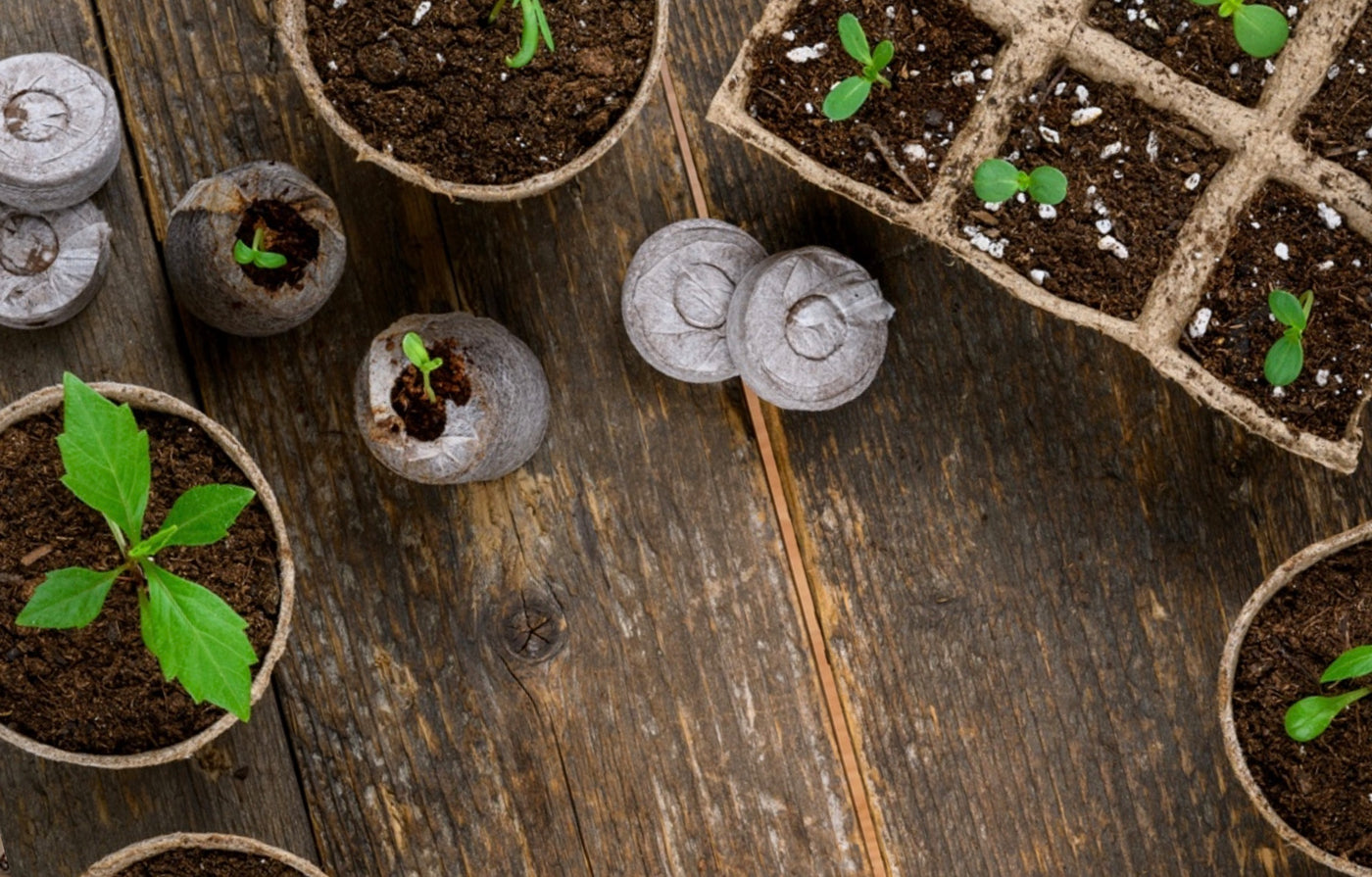
INCLUDES: Organic indoor seed starting soil pod + seeds of the month + plant label marker + instructions/grow guides
We want everyone to be successful growing their own sustainable organic vegetable garden. We created this Organic Gardening Grow Guides eBook ... and we're giving it away - for FREE! This eBook includes absolutely everything you need to know --- seed-to-harvest!


